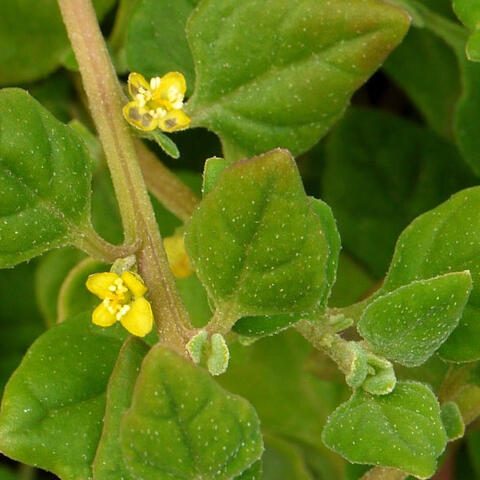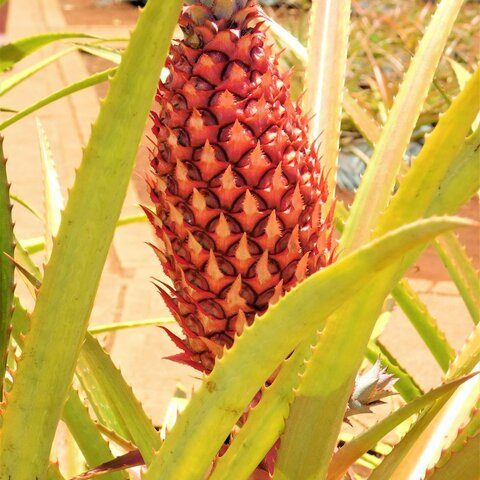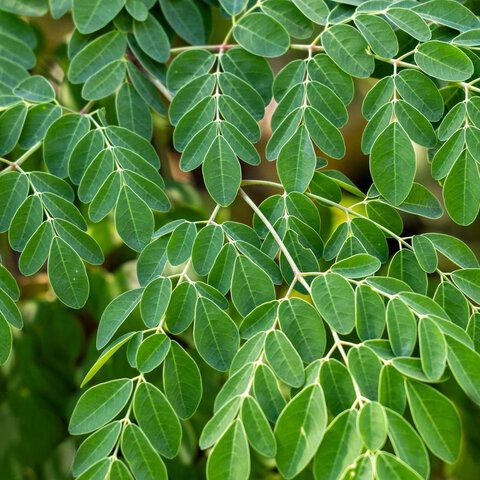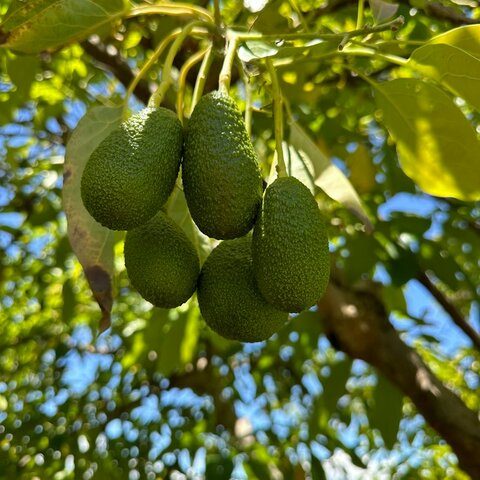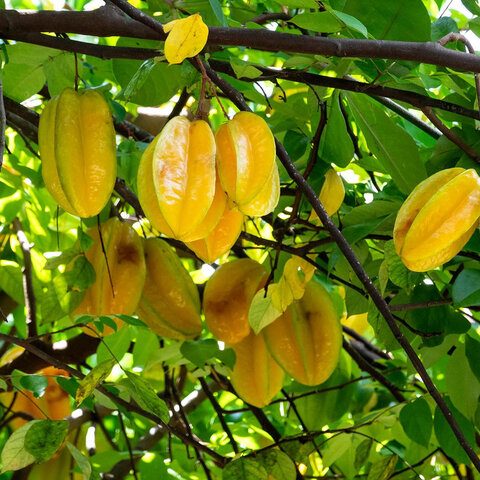
Starter set of reliable species for Kauaʻi. Filter by primary use. This is a working list ready for expansion.
Ground covers guide ↓ · Plants to avoid ↓
Last updated: November 3, 2026. Verify plant performance and invasiveness notes for your specific site.
Not sure of your zone? Wet is 80 or more inches of rain a year (Hanalei and westward on the north shore, and the uplands), moderate is 40–80, and dry is under 40 (the west side and parts of the south shore). Pick your town on What Grows Where I Live?, look up your exact spot on the Rainfall Atlas of Hawaiʻi, or read the rainfall zones overview. Zones are a starting guide; irrigation, drainage, and microclimate shift what will grow.
Showing all 64 plants
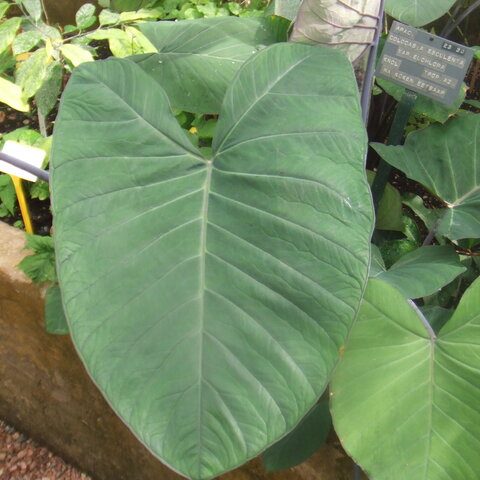
Corms and leaves, always cooked. Staple root crop with wetland and upland varieties. Requires consistent moisture. Full growing guide →
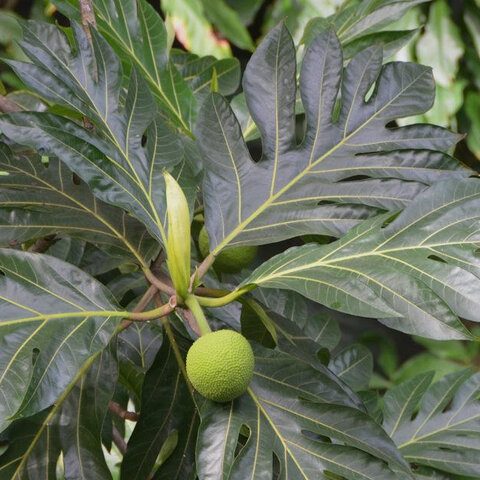
Starchy fruit. High-yield long-term staple tree. Full growing guide →
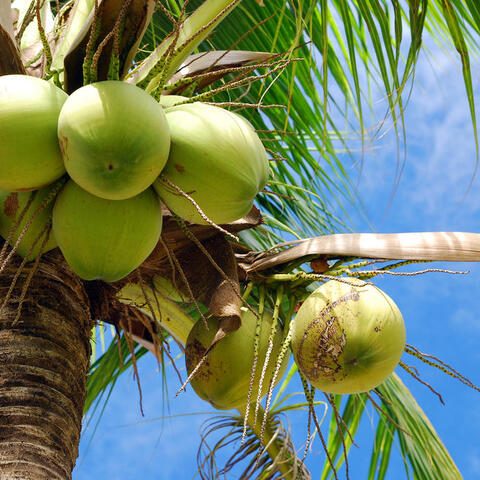
Water, meat, oil, fiber. Salt-tolerant multipurpose palm. Coconut rhinoceros beetle is now on Kauaʻi; inspect crowns regularly (see Challenges page). Full growing guide →
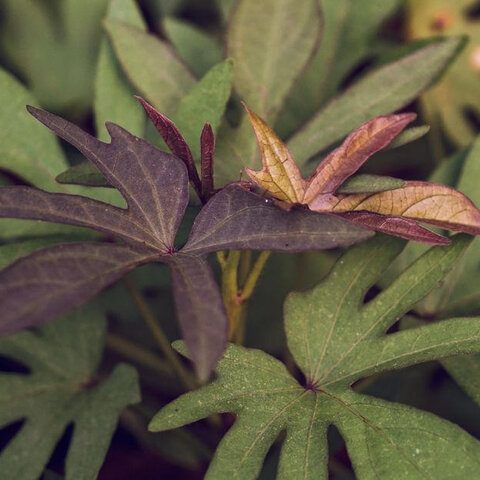
Tubers and leaves. Drought-tolerant once established. One of the best multipurpose ground covers on Kauaʻi: spreads fast, suppresses weeds, protects soil, and yields greens and tubers. Full growing guide →
Fruit and biomass. Fast-growing; useful as temporary windbreak. Full growing guide →
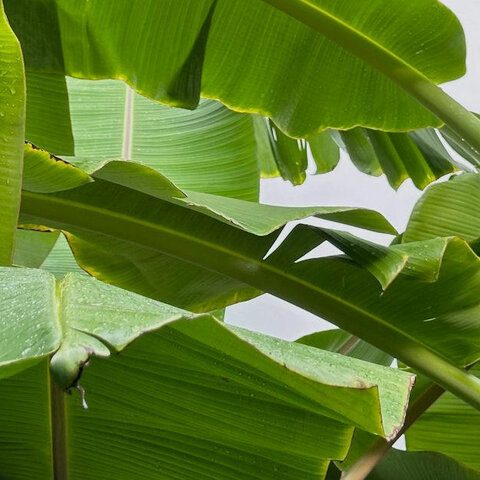
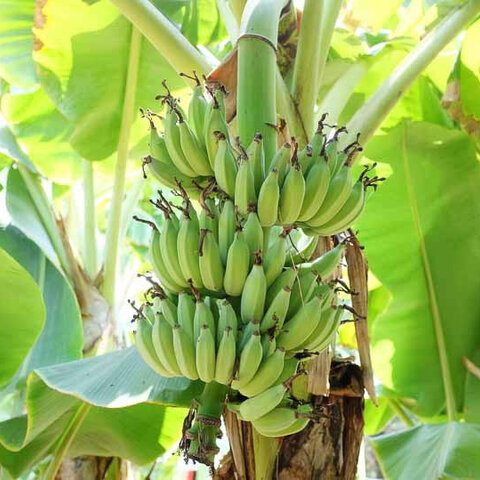
Cooking bananas. Starchy fruit. Fast biomass and food. Full growing guide →
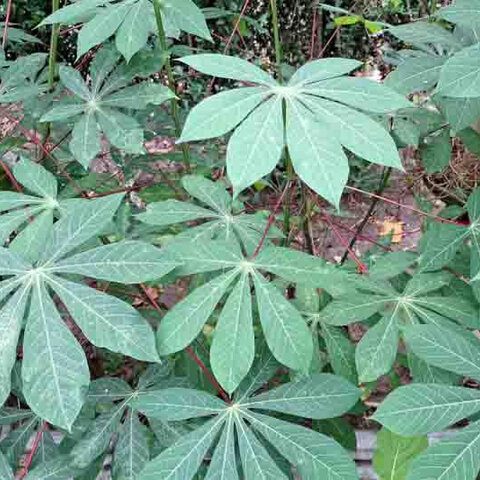
Starchy roots. Must be peeled and cooked properly before eating. Drought-tolerant once established. Full growing guide →
Sweet, low-calorie tubers. Easy to grow in milder microclimates. Full growing guide →
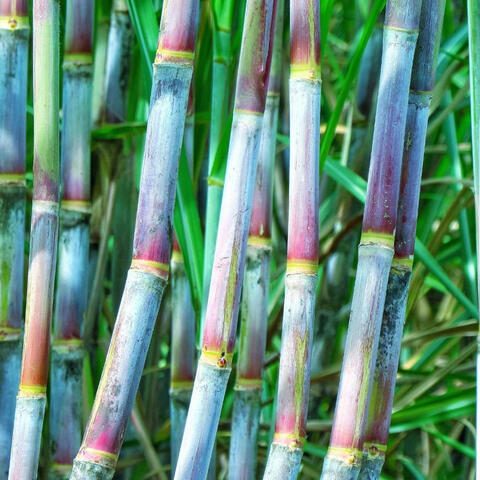
Cane for juice, biomass, and windbreak. Fast-growing. Full growing guide →
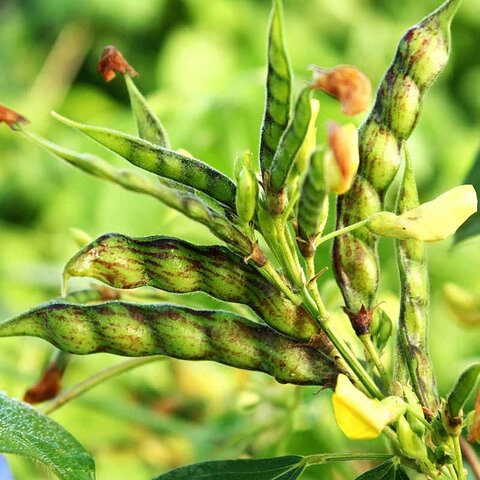
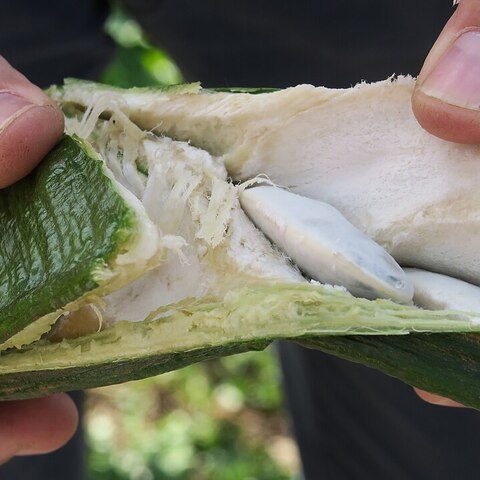
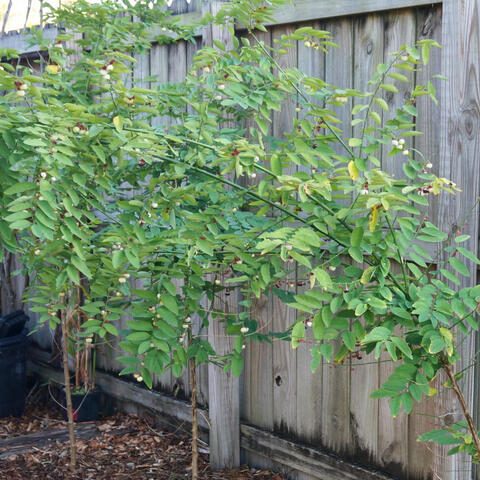
Edible pods. Strong nitrogen fixer. Excellent chop-and-drop. Full growing guide →
Biomass and nitrogen fixation. Fast-growing support tree; coppice regularly. Rated Low Risk by the Hawaiʻi weed risk assessment, though it has naturalized in pastures on Hawaiʻi Island, so keep it cut back before it sets seed. Full growing guide →
Edible pods. Nitrogen fixer and shade. Not known to be naturalized in Hawaiʻi, but its weed-risk score is in the uncertain range; avoid planting near native forest. Full growing guide →
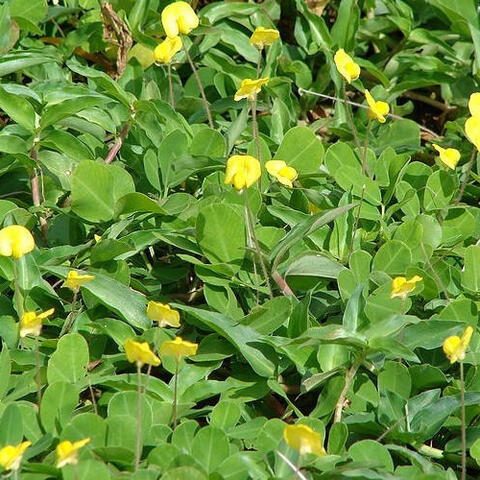
Low-growing nitrogen-fixing living mulch. Excellent between trees and in pathways. Persistent and low-maintenance once established. Full growing guide →
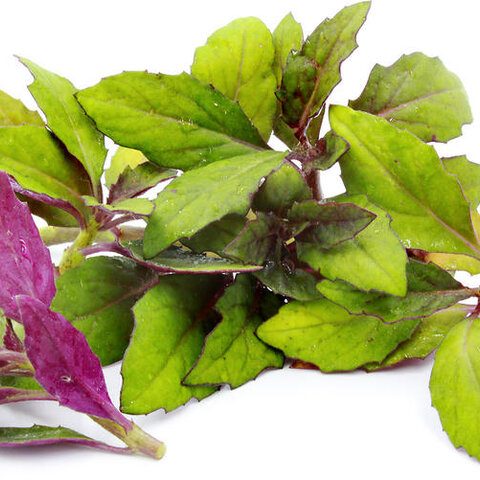
Reliable perennial green. Harvest frequently. Spreads well as living mulch in partial shade under fruit trees. Full growing guide →
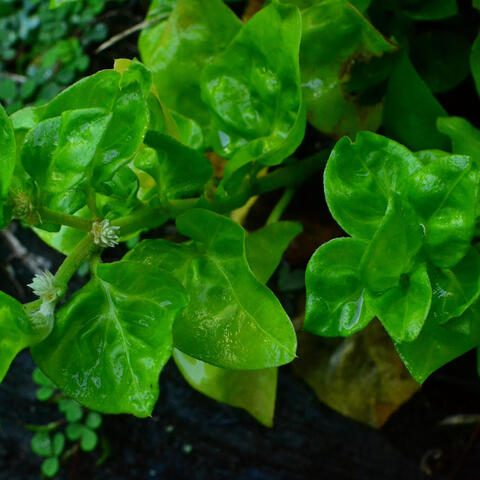
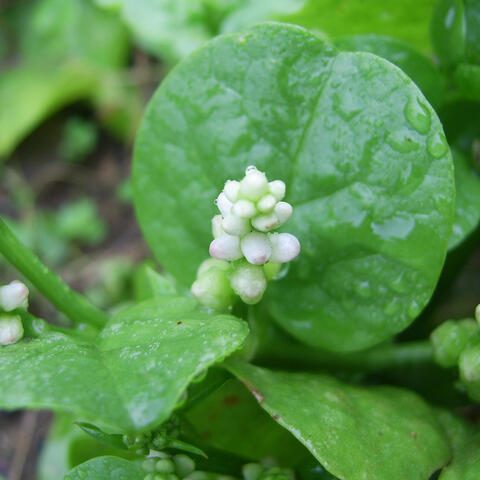
Trailing edible perennial. Similar in habit to Okinawa spinach and useful as a living mulch in partial shade. Full growing guide →
Low, spreading edible cover. Tolerates a range of conditions, fills gaps quickly in partial shade, and roots easily from cuttings. Full growing guide →
Heat-loving edible vine. Can sprawl as a temporary cover; manage it so it doesn’t climb young trees. Full growing guide →
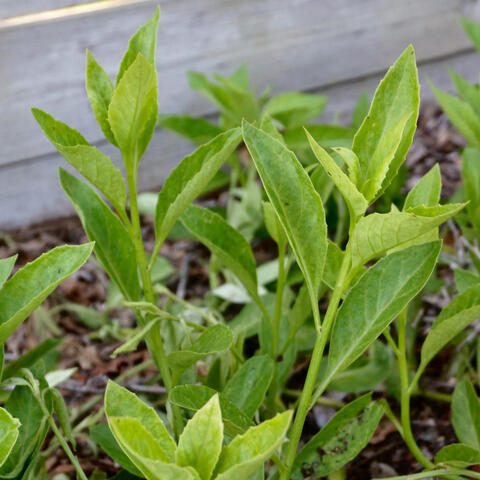
Nutritious leaves. Always cook before eating. Full growing guide →
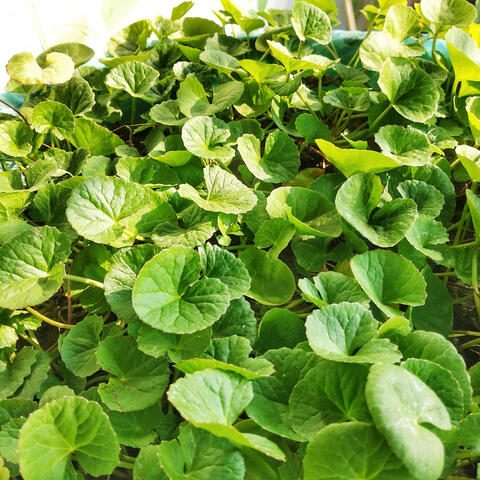
Low creeping edible/medicinal cover. Prefers moist, partially shaded spots. Spreads by runners. Useful under trees on wetter sites. Full growing guide →
Spreading edible green that tolerates heat and coastal conditions. Good temporary or seasonal cover on drier sites. Full growing guide →
Not a full carpet, but useful in patches under higher canopy on drier or well-drained sites. Provides fruit and some ground shading. Full growing guide →
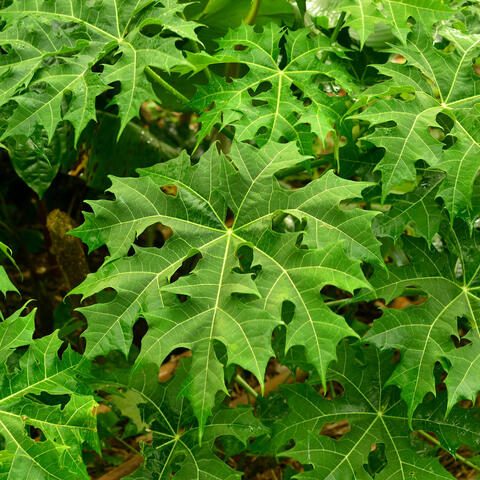
Leaves and pods. Fast-growing and drought-tolerant once established. Full growing guide →
Select varieties suited to elevation and rainfall. Full growing guide →
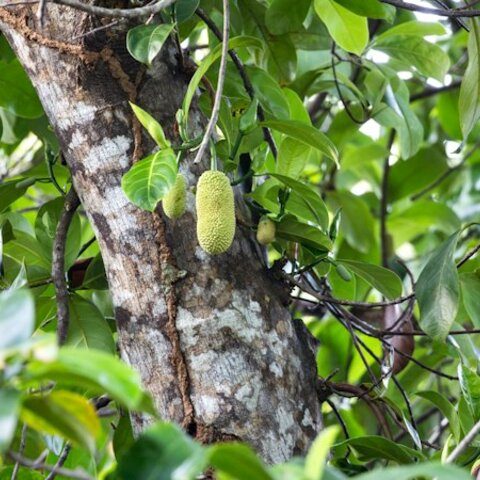
Large fruit. Starchy when young. Full growing guide →
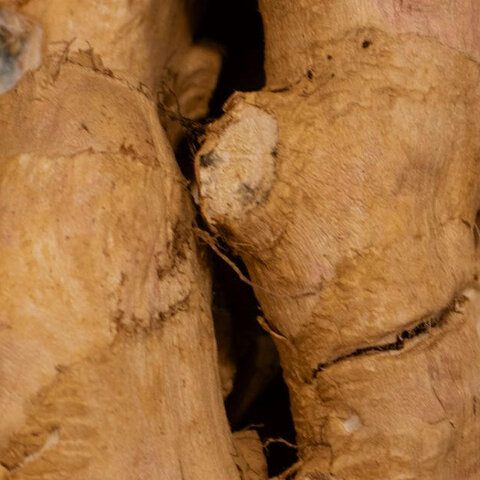
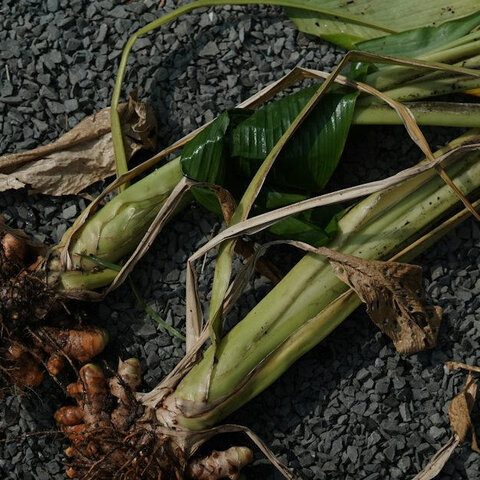
Rhizomes. Shade-tolerant understory. Culinary and medicinal. Full growing guide →
Rhizomes. Shade-tolerant. Culinary and medicinal. Full growing guide →
Shrub grown for its roots, which make a relaxing drink. Prefers moist, shaded conditions. Full growing guide →
Nuts (roasted only), oil, and shade. Full growing guide →
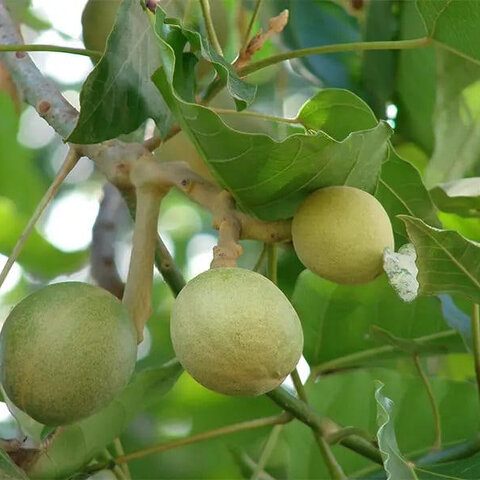
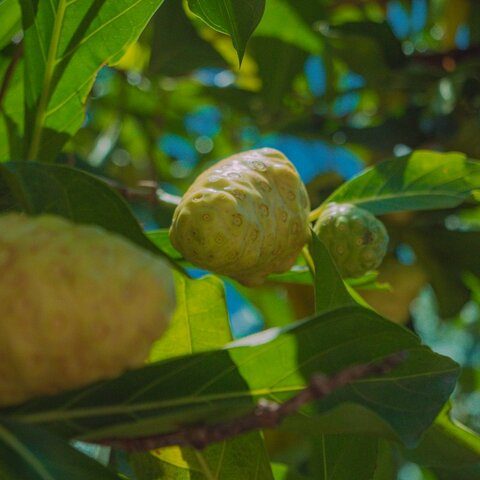
Very hardy small tree. Fruit used for food and medicine. Full growing guide →
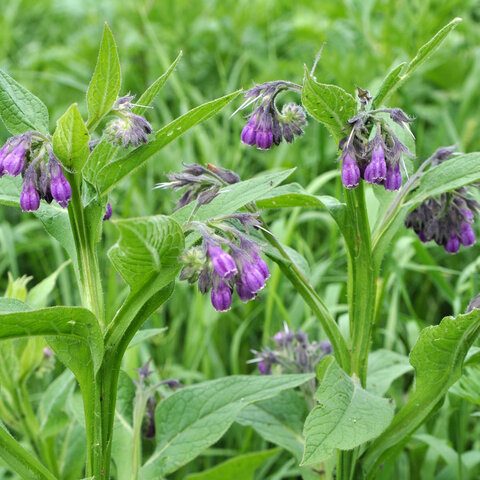
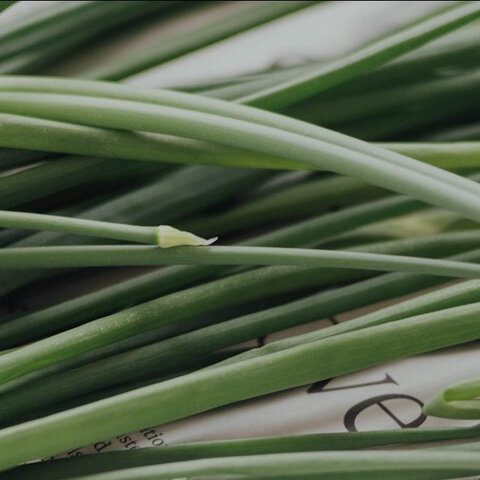
Deep-rooted nutrient accumulator for chop-and-drop mulch. Use the sterile Bocking 14 cultivar to limit spreading. Best as a patch rather than unrestricted cover. Full growing guide →
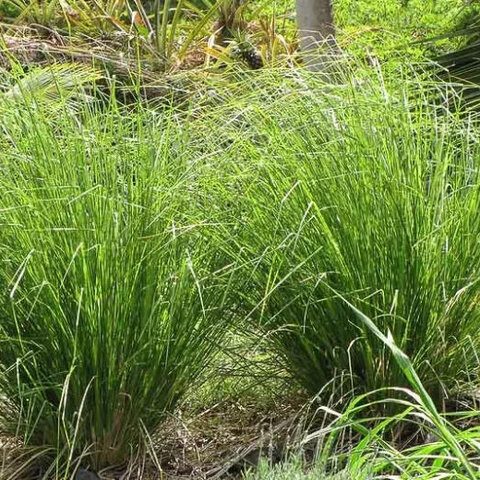
Deep-rooted grass planted in contour hedgerows for erosion control and slope stabilization. Use sterile, non-seeding cultivars. Full growing guide →
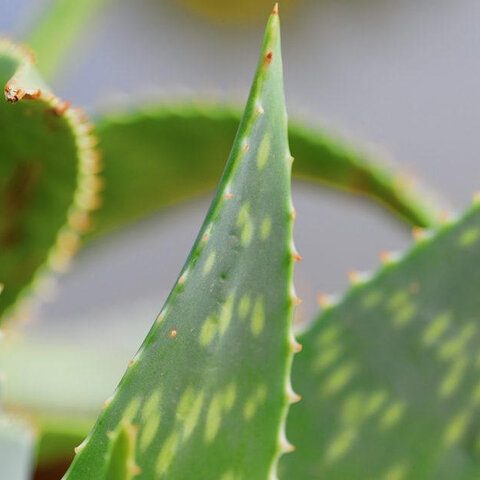
Succulent for medicinal gel and drought-tolerant planting. Easy to propagate from pups. Prefers well-drained soil. Full growing guide →
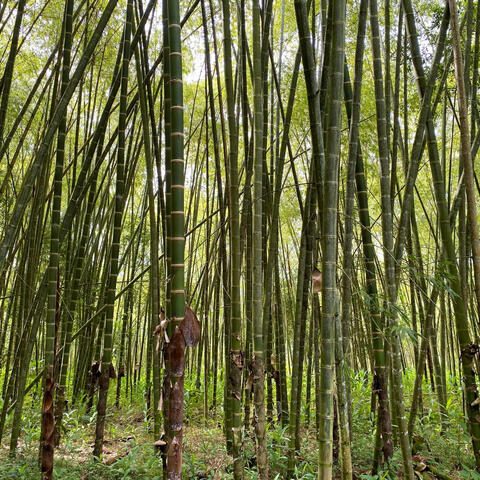
Structural and craft material. Clumping types only. Top for building: Dendrocalamus asper, Guadua angustifolia, Bambusa oldhamii, Bambusa ‘Hirose’, Dendrocalamus brandisii / Gigantochloa. For tools/handles: Dendrocalamus strictus, lower sections of oldhamii or Hirose. Avoid Bambusa vulgaris for permanent building (weak walls, high starch, beetle issues). Source from reputable local growers. Full growing guide →
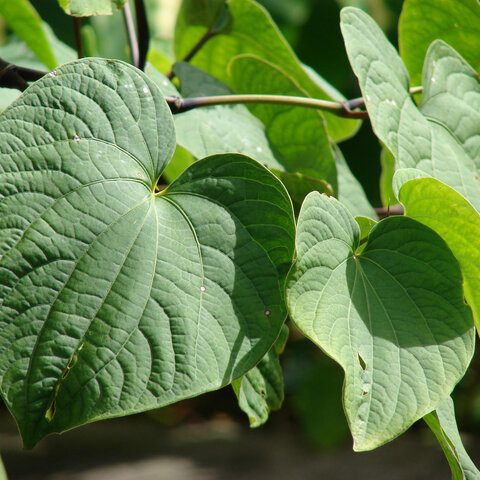
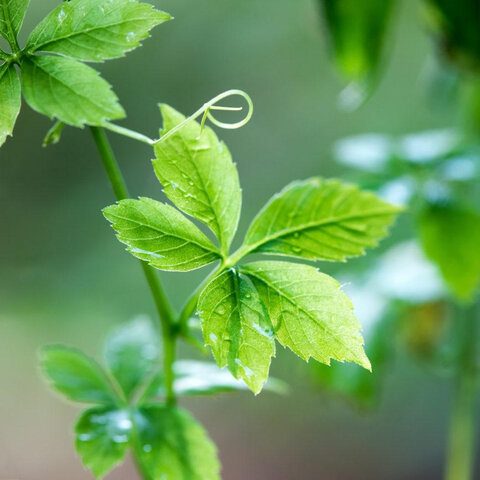
Medicinal climbing vine in the cucumber family, traditionally used as a tea. Prefers partial shade, consistent moisture, and a trellis or light canopy to climb. Easy from cuttings. Use leaves only; research traditional preparation before regular use. Full growing guide →
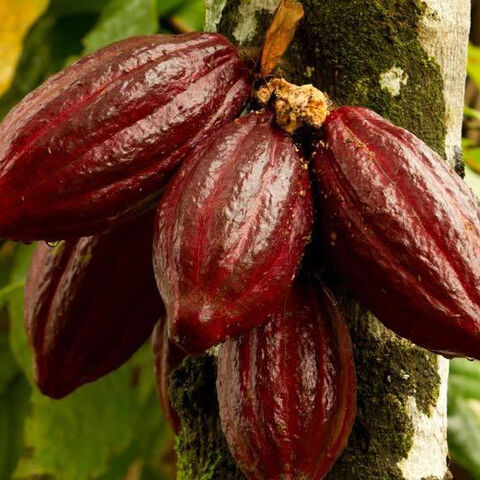
Pods with sweet pulp and beans for chocolate. Understory tree that wants shade, shelter from wind and steady moisture; grows well beneath gliricidia or ice cream bean. Bears in about 3–5 years. Full growing guide →
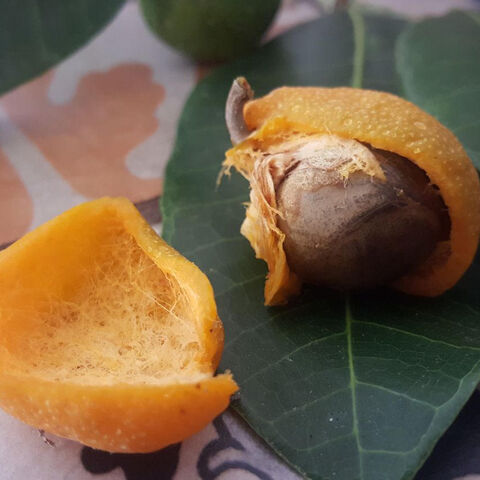
Tall canopy tree whose seeds are roasted, boiled or ground into flour. Rated “Evaluate” by Plant Pono: not known to spread in Hawaiʻi yet, but check before planting. Full growing guide →
Large canopy tree with sweet, salmon-colored fruit. Slow to bear but long-lived. Rated low risk (Pono Plant). Full growing guide →
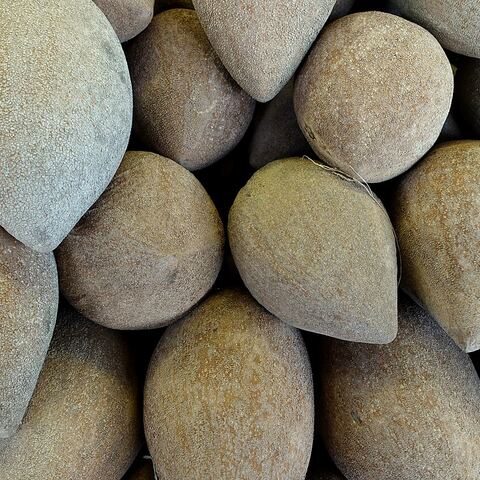
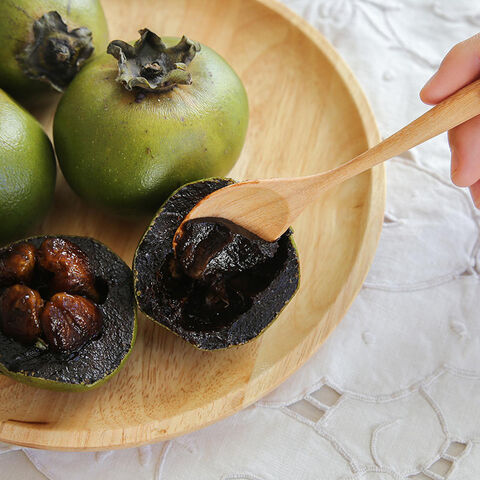
“Chocolate pudding fruit,” eaten soft-ripe. Large, handsome canopy tree for warm lowland sites. Full growing guide →
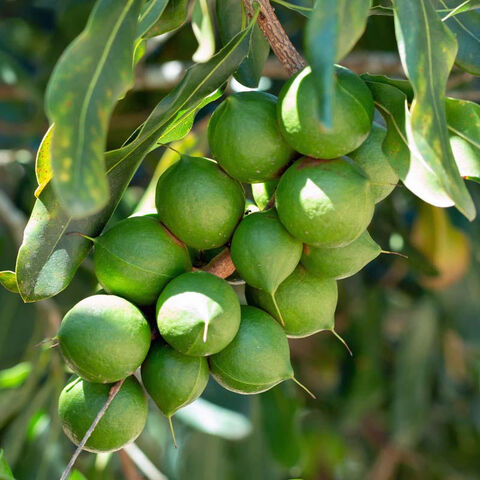
Long-lived nut tree and a proven Hawaiʻi crop. Buy grafted trees; protect young trees from wind. Full growing guide →
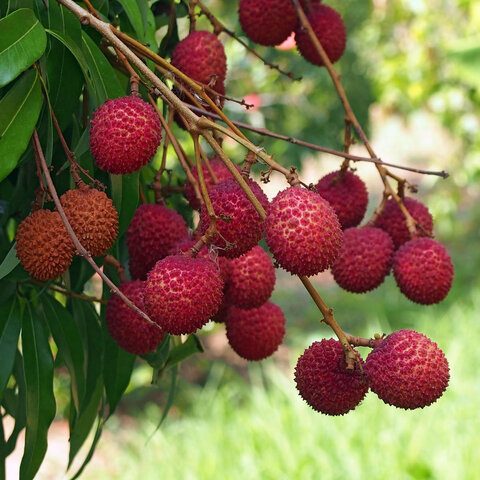
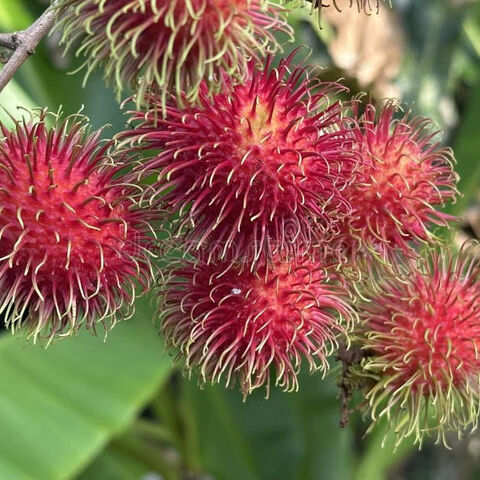
Lychee relative with clusters of hairy red fruit. Needs a warm, wet, sheltered lowland site. Full growing guide →
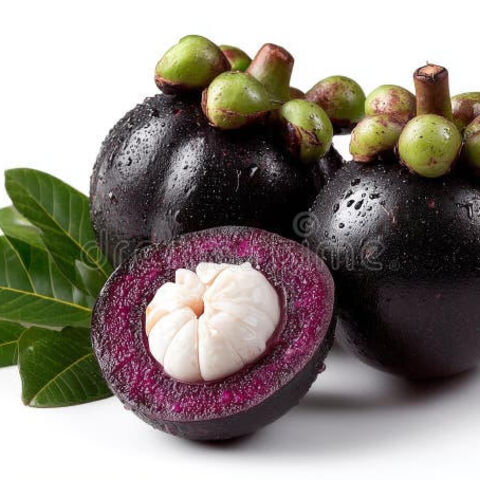
Prized fruit, slow to bear (often 8+ years). Needs warmth, high humidity, rich soil and shelter. Full growing guide →
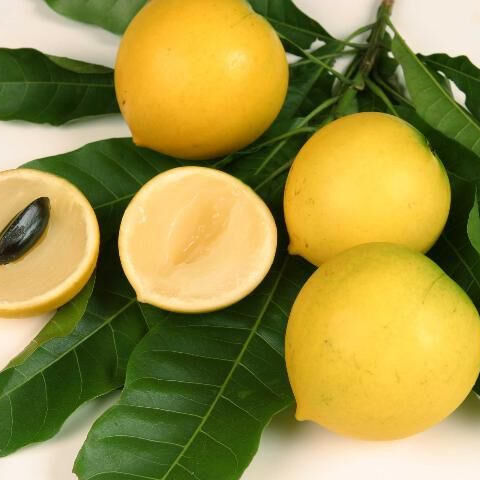
Small tree with sweet, custardy yellow fruit; bears in just a few years. Rated low risk (Pono Plant). Full growing guide →
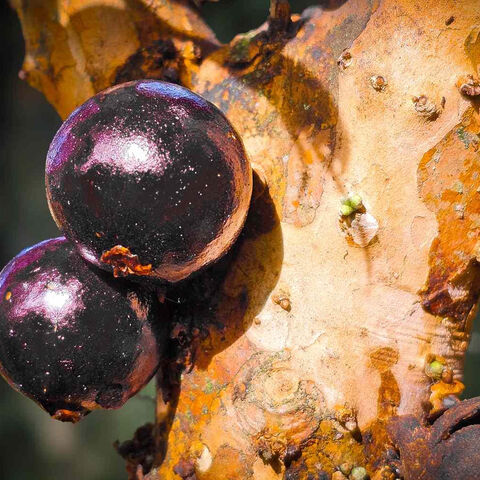
Grape-like fruit grows straight off the trunk. Compact and slow; good for small yards with regular water. Rated low risk (Pono Plant). Full growing guide →
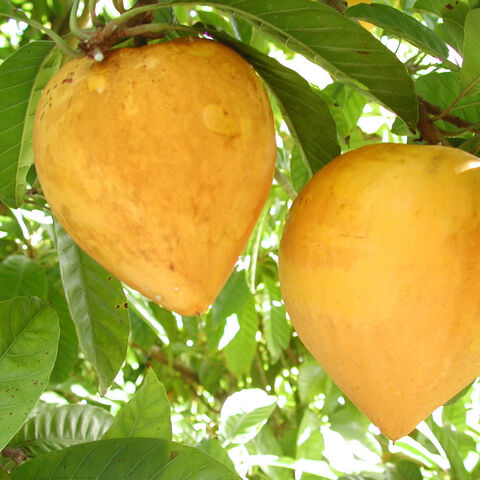
Tough, drought-tolerant tree with rich, egg-yolk-textured fruit. Good for leeward yards. Rated low risk (Pono Plant). Full growing guide →
Fast-growing tree bearing large, lemony custard fruit within a few years. Fruit is very perishable; eat fresh. Full growing guide →
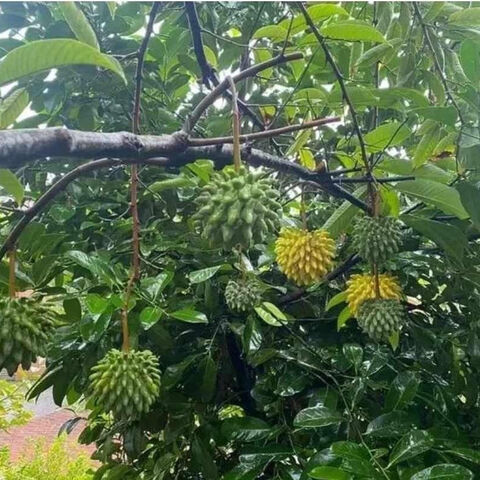
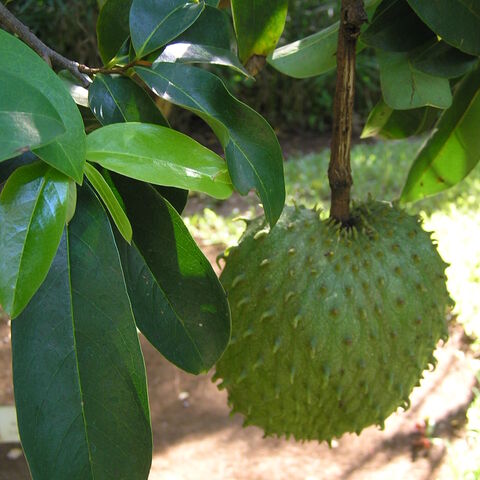
Large spiny fruit with tangy white pulp for juices and desserts, borne on lower branches. Warm lowland tree. Rated low risk (Pono Plant). Full growing guide →
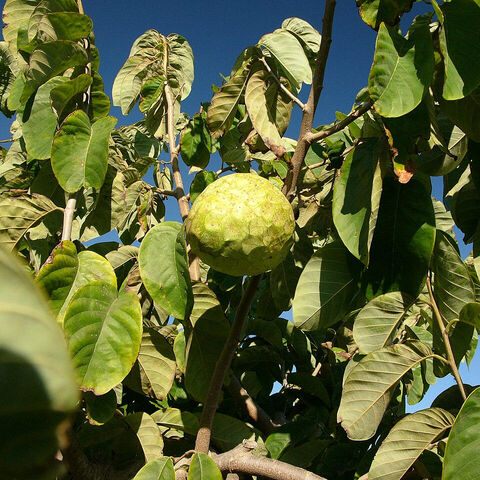
Custard apple for cooler upland sites; hand-pollinating flowers improves fruit set. Rated low risk (Pono Plant). Full growing guide →
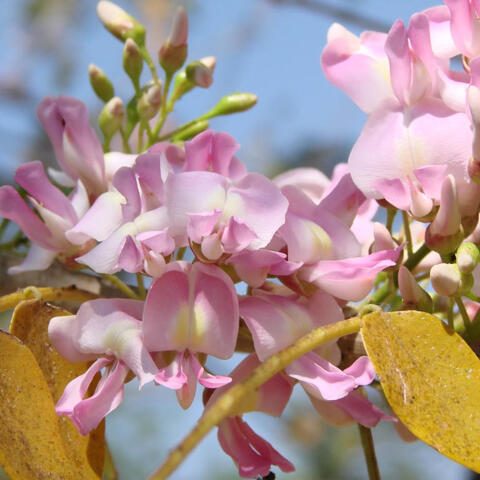
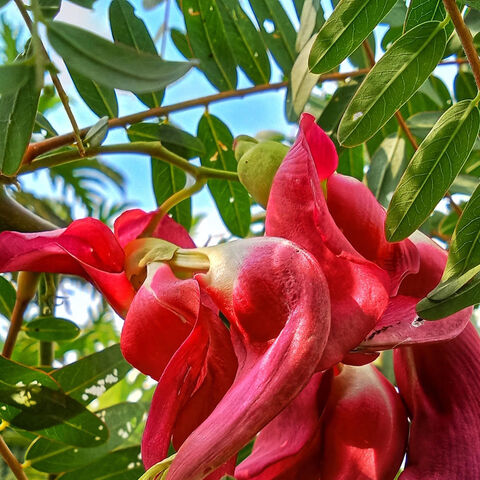
Fast nitrogen-fixing nurse tree with edible flowers; cut back for mulch. Some Sesbania species are invasive elsewhere, so check Plant Pono for the species you buy. Full growing guide →
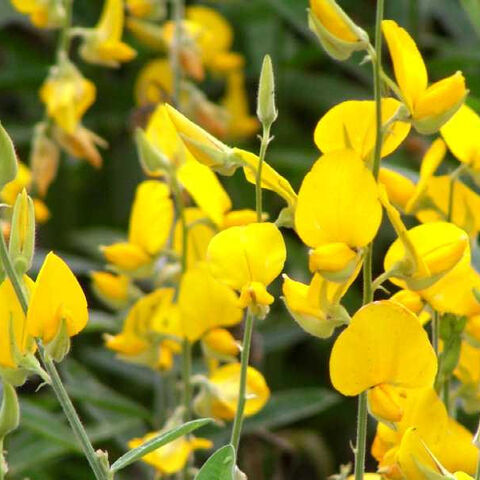
Fast cover crop and green manure; cut before it sets seed. Use the ‘Tropic Sun’ variety developed in Hawaiʻi. Rated “Evaluate” by Plant Pono. Full growing guide →
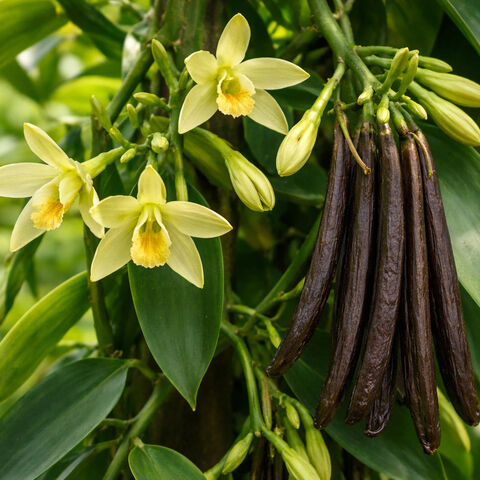
Climbing orchid trained up gliricidia in light shade. Flowers must be hand-pollinated; pods are cured for months. Rated low risk (Pono Plant). Full growing guide →
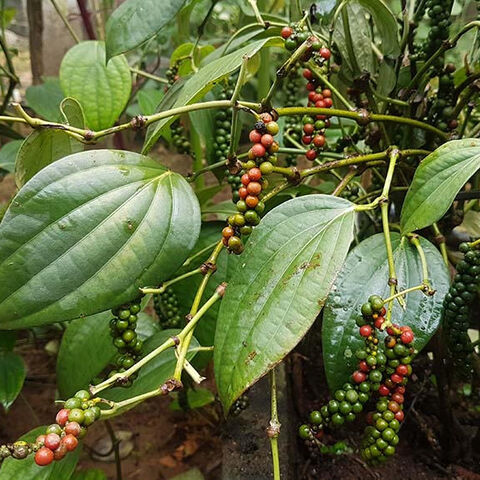
Climbing vine for a support tree such as gliricidia. Needs warmth, humidity and shade. (Not the invasive false kava, Piper auritum.) Full growing guide →
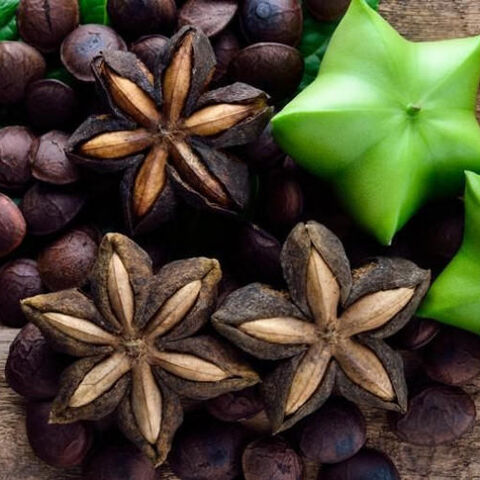
Vigorous vine from the Peruvian Amazon grown for star-shaped pods of oil-rich seeds. Seeds must be roasted before eating. Full growing guide →
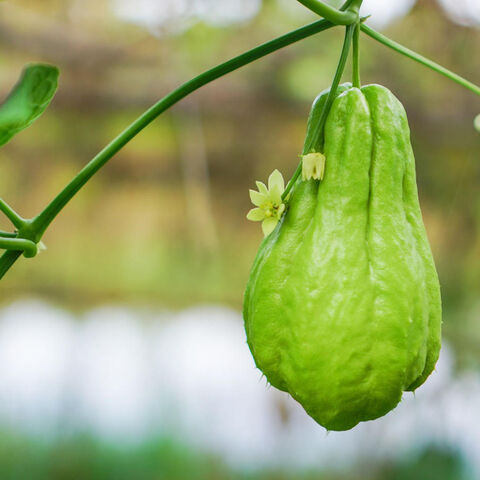
Long-lived vine with squash-like fruit, tender shoots and edible roots. Give it a strong trellis; best in cooler upland sites. Full growing guide →
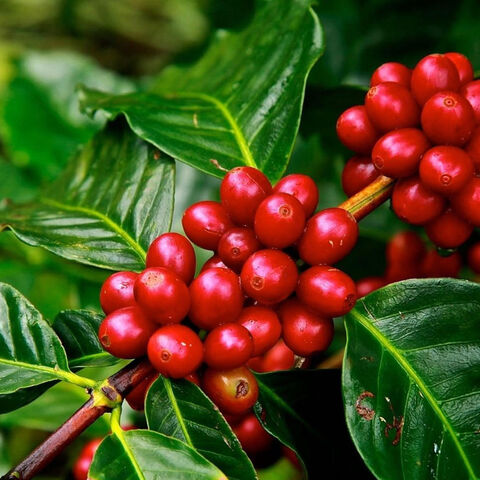
Shade-loving understory shrub with a long history on Kauaʻi; grows well beneath taller fruit trees. Caution: rated High Risk by Plant Pono. Keep it in a managed, contained planting, pick up fallen cherries, and don’t let it spread into wild areas. Full growing guide →
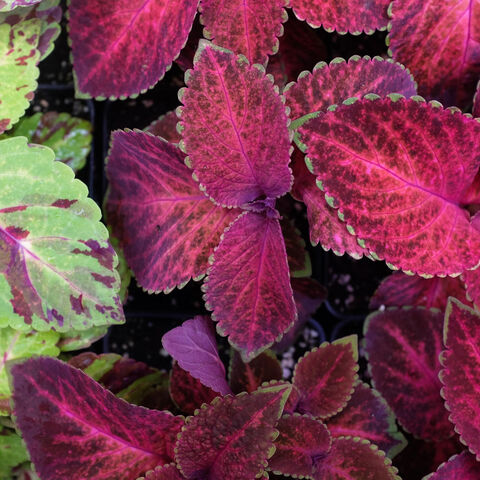
Colorful, fast-filling understory groundcover for shady spots. Caution: rated High Risk by Plant Pono and has gone wild on several islands. Grow it in pots or a contained bed and trim it before it spreads. Full growing guide →
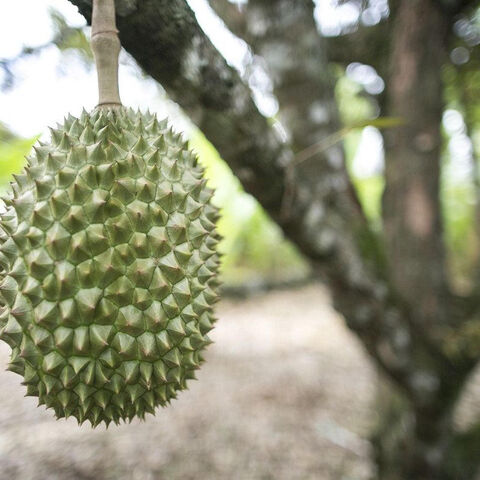
Large canopy tree with the famously pungent, custardy “king of fruits.” Needs deep soil, steady rain, warmth and wind shelter. Seedlings take 7–10 years to fruit; grafted trees are faster. Rated low risk (Pono) by Plant Pono. Full growing guide →
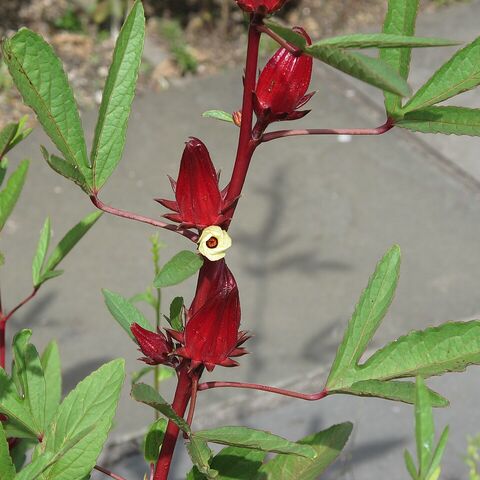
Fast, shrubby hibiscus grown as an annual. The tart red calyxes make tea, jam, and cordial, and the young leaves are a sour cooking green. Plant from seed in spring; it flowers as days shorten in fall. Prefers sun and good drainage. Not yet assessed by Plant Pono. Full growing guide →
No plants match those filters. Try “Any” rainfall or clear the search.
These plants show up in permaculture books and tropical plant lists, but in Hawaiʻi they spread aggressively into farmland and native forest. Please don’t plant them, and remove young plants where you can. Check any unfamiliar species at plantpono.org before planting.
Ground covers are one of the highest-leverage layers in a Kauaʻi food forest. They protect soil from rain impact and sun, suppress weeds, retain moisture, and can provide food or fertility while longer-term trees establish.
Filter the list above by “Ground covers.” Start with low-risk, edible, or nitrogen-fixing covers (sweet potato, perennial peanut, Okinawa spinach, sissoo, gotu kola). Cover one 10×10 or 20×20 ft area thoroughly before expanding; a well-covered starter patch beats sparse planting across a large area.
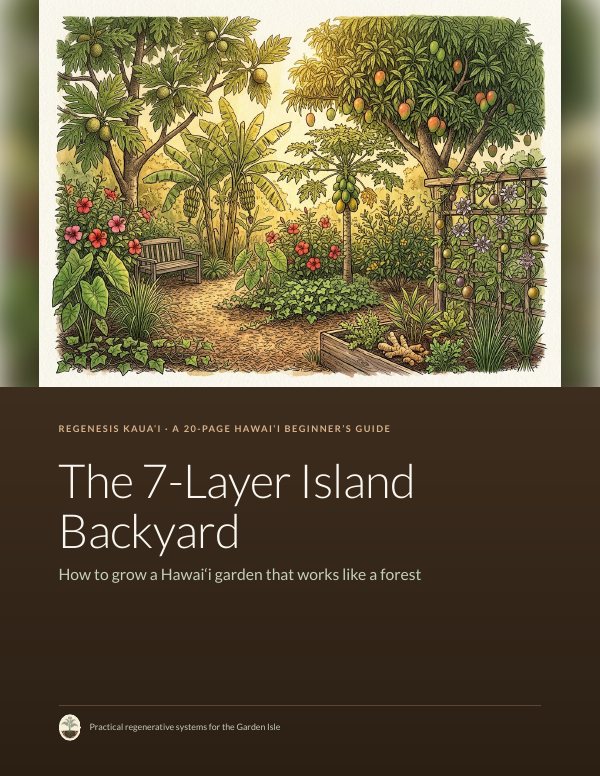
A 20-page guide to a Hawaiʻi garden that looks like a forest, free by email.